Your cart is currently empty!
Checkout is not available whilst your cart is empty—please take a look through our store and come back when you're ready to place an order.

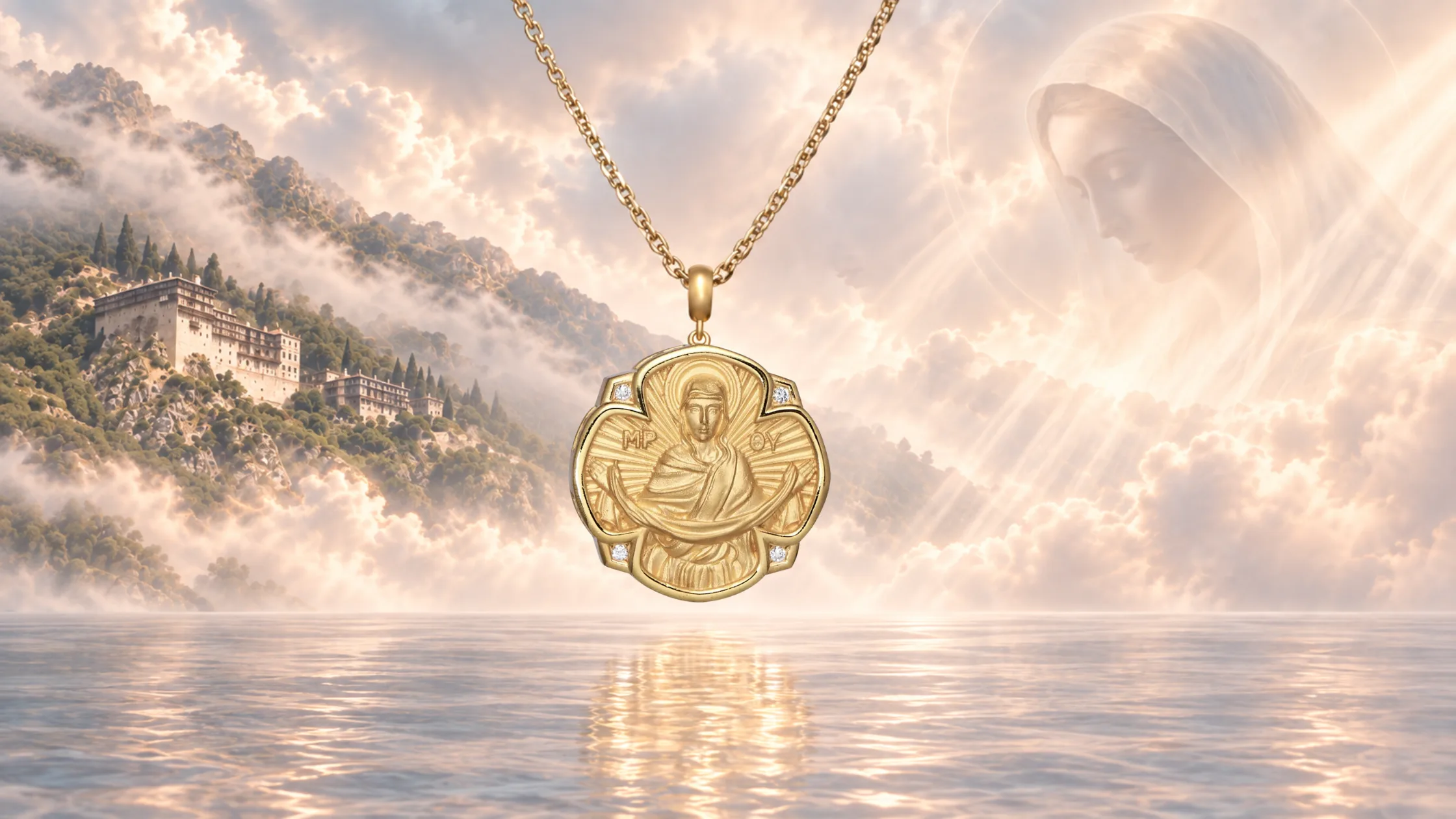
The Holy Belt of the Holy Mother Theotokos, also known as the Holy Girdle of the Virgin Mary, is one of the most revered sacred relics of the Orthodox Christian tradition. Closely associated with the Virgin Mary, maternal protection and faith, it has been preserved for centuries at the Holy and Great Monastery of Vatopedi on Mount Athos.
For Orthodox Christians, the Holy Belt is far more than a historical relic. It is a deeply spiritual symbol associated with the presence of the Theotokos, divine protection, hope, prayer and consolation.
According to Orthodox Christian tradition, the Holy Belt of Virgin Mary was made by Theotokos herself and, following her Dormition, was given to the Apostle Thomas at the time of her Assumption.
Tradition holds that the Holy Belt was made from camel hair and is considered one of the few sacred relics directly connected with the earthly life of the Mother of God.
Throughout the centuries, the Holy Belt has been preserved with great reverence, while its history has remained closely connected with some of the most important periods of Byzantine and Orthodox Christian history.
According to the tradition preserved by the Holy and Great Monastery of Vatopedi, during the first Christian centuries the Holy Belt was kept in the Holy Land.
Toward the end of the 4th century, it was transferred to Constantinople, where it was placed inside a precious reliquary and became associated with important churches and imperial places of worship in the Byzantine capital.
Over the centuries, different parts of the Holy Belt followed different historical paths.
According to the Monastery of Vatopedi, its presence at the monastery is associated with Byzantine Emperor John VI Kantakouzenos and Serbian ruler Lazar I, both of whom are connected with the donation of portions of the sacred relic.
Today, the Holy Belt is preserved at the Holy and Great Monastery of Vatopedi, one of the most historic monasteries of Mount Athos.
The relationship between the Holy Belt of the Holy Mother Theotokos and Vatopedi Monastery holds a particularly important place within Orthodox tradition.
The Holy and Great Monastery of Vatopedi has been one of the most significant spiritual centres of Mount Athos for centuries and preserves numerous sacred relics, manuscripts and important works of ecclesiastical art.
From time to time, the Holy Belt is taken outside Mount Athos for public veneration, allowing thousands of believers to honour the sacred relic and pray before it.
Its journeys outside the Athonite peninsula regularly attract large numbers of Orthodox Christians, reflecting the deep devotion associated with the Theotokos and her Holy Belt.
The Orthodox Church celebrates the Deposition of the Holy Belt of the Most Holy Theotokos on August 31st.
The feast honours the sacred relic of the Virgin Mary and represents an important day within the Orthodox Christian calendar.
Although the formal establishment of the feast is associated with the Byzantine period, devotion to the Holy Belt has much deeper historical roots.
August 31st is therefore dedicated to the honour of the Mother of God and to the spiritual meaning carried by this sacred relic.
The meaning of the Holy Belt of the Holy Mother Theotokos extends far beyond its historical importance.
Within Orthodox Christian tradition, it is closely associated with:
For this reason, the Holy Belt remains one of the most cherished symbols associated with the Mother of God and holds a deeply personal place in the spiritual life of many Orthodox Christians.
The history of the Holy Belt is accompanied by numerous traditions and testimonies concerning miraculous events.
Historical accounts preserved by the Monastery of Vatopedi refer to occasions when the Holy Belt was carried to communities facing epidemics, natural disasters or other serious hardships.
There are also testimonies from believers who attribute healing, consolation and help during difficult periods of their lives to the intercession of the Virgin Mary.
These accounts belong to the faith and spiritual tradition of the Orthodox Church and continue to form an important part of the devotion surrounding the Holy Belt.
This profound faith is one of the reasons why the Holy Belt continues to attract pilgrims from many parts of the world.
Within Orthodox Christianity, the idea of a talisman or protective symbol should not simply be understood as an object believed to bring luck.
Its deeper meaning is connected with faith, prayer and the reminder of a person’s spiritual relationship with God.
Within this context, the symbolism of the Holy Belt of the Holy Mother Theotokos carries particular significance.
Its image may serve as a discreet daily reminder of the protection of the Virgin Mary, hope, faith and the inner strength that spiritual devotion can provide.
For centuries, Christian art has expressed sacred symbols through icons, crosses, medallions and objects of personal devotion.
At ANAZΩ, this timeless tradition meets contemporary fine jewellery.
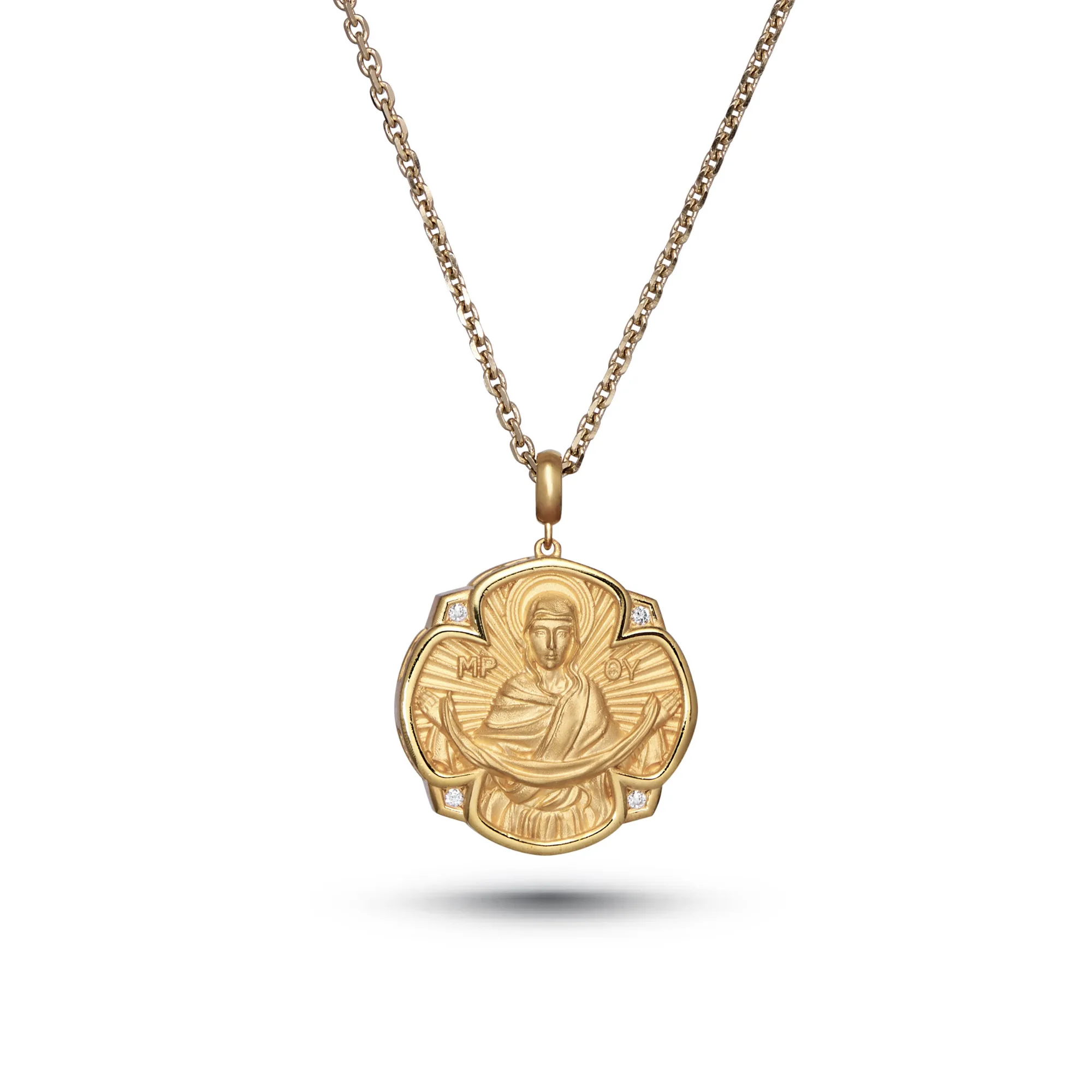
With deep respect for the spiritual meaning of the symbol, the Holy Belt of the Holy Mother Theotokos is interpreted through jewellery designed not simply to adorn, but to carry a deeper message.
Inspired by Orthodox Christian heritage, each ANAZΩ (Anazo) creation combines thoughtful design with fine jewellery craftsmanship in Valenza, Italy, one of the world’s most renowned centres of high jewellery.
The philosophy of ANAZΩ (Anazo) is deeply connected with Mount Athos, preserving at its core the values of faith, heritage and spiritual tradition.
A jewel inspired by the Holy Belt of the Holy Mother Theotokos can become a deeply personal expression of faith or a meaningful gift for someone special.
Its value does not come only from its design or precious materials.
It comes from what it represents.
Protection.
Faith.
Hope.
The presence of the Virgin Mary.
This lies at the heart of the ANAZΩ philosophy: transforming timeless symbols of Orthodox Christianity into contemporary jewellery that can accompany a person throughout everyday life.
Each creation is designed to carry both aesthetic beauty and spiritual meaning.
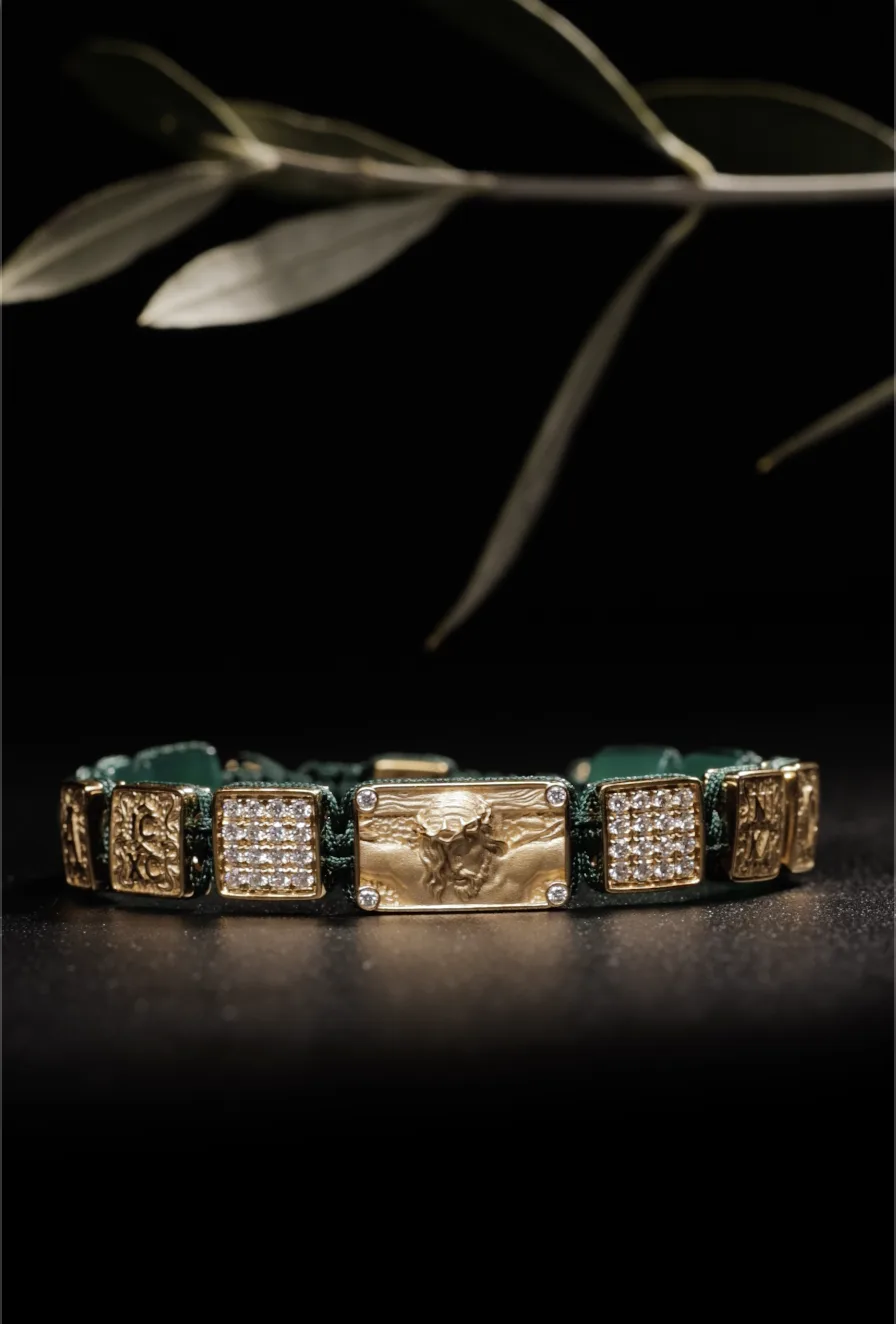
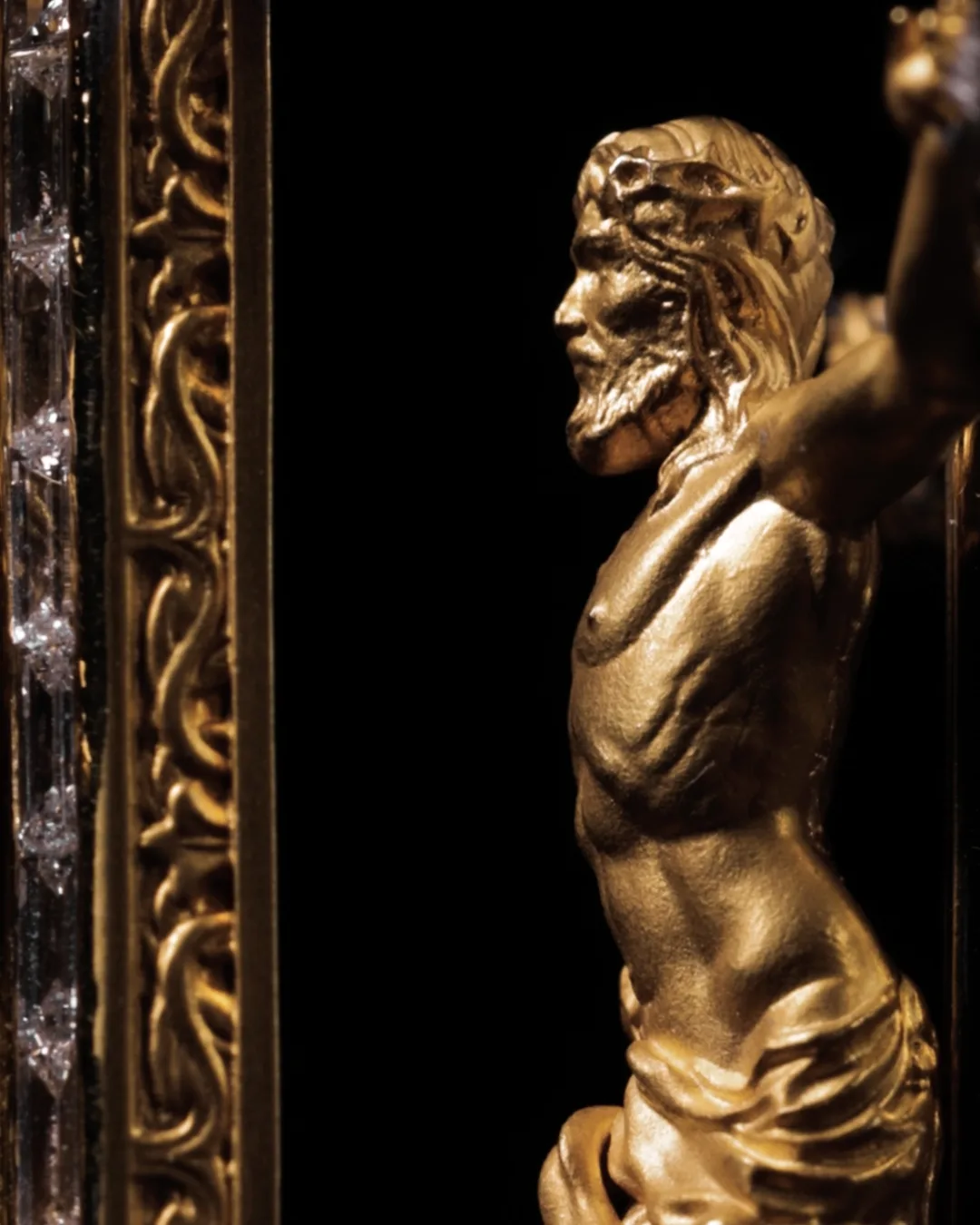
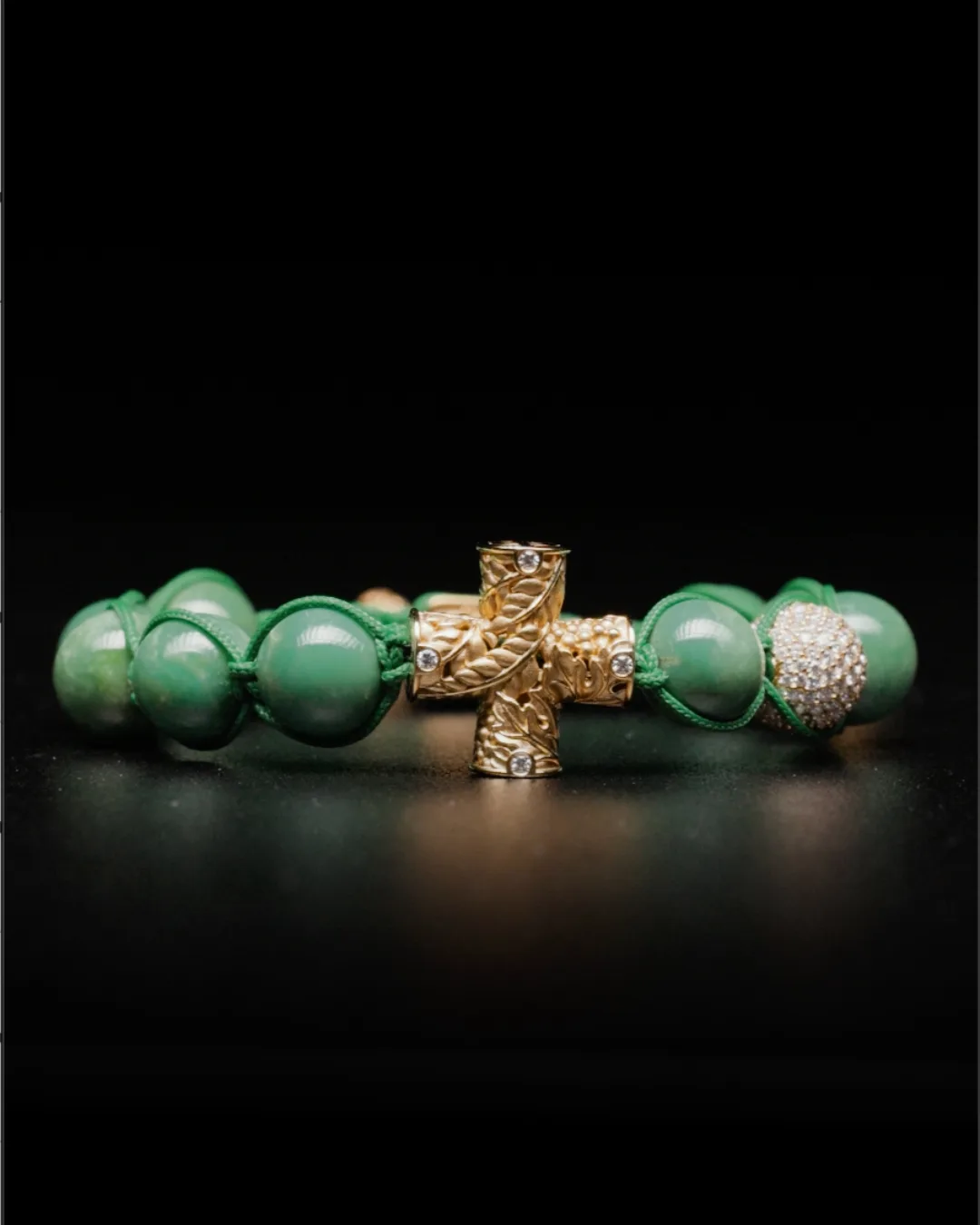
From the Holy Belt of the Holy Mother Theotokos and Jesus Christ Pantocrator to the Cross, the Virgin Mary and other timeless symbols of Christian faith, ANAZΩ creations bring together the spirituality of Mount Athos and the craftsmanship of contemporary fine jewellery.
Discover the ANAZΩ Christian Jewellery & Talismans Collection and choose a piece that represents more than a precious jewel — a personal symbol of faith, protection and meaning.
The Holy Belt of the Holy Mother Theotokos: History, Meaning and the Sacred Tradition of Mount Athos
The Holy Belt of the Holy Mother Theotokos, also known as the Holy Girdle of the Virgin Mary, is one of the most revered sacred relics of the Orthodox Christian tradition. Closely associated with the Virgin Mary, maternal protection and faith, it has been preserved for centuries at the Holy and Great Monastery of Vatopedi on Mount Athos.
For Orthodox Christians, the Holy Belt is far more than a historical relic. It is a deeply spiritual symbol associated with the presence of the Theotokos, divine protection, hope, prayer and consolation.
The Holy Belt of the Holy Mother Theotokos is one of the most revered sacred relics of the Orthodox Christian tradition. According to Church tradition, it belonged to the Virgin Mary and is closely associated with her earthly life, protection and spiritual presence.
The Holy Belt of the Holy Mother Theotokos is preserved at the Holy and Great Monastery of Vatopedi on Mount Athos, Greece, one of the most important monasteries of the Orthodox Christian world.
The Holy Belt symbolizes the protection of the Virgin Mary, faith, prayer, hope and spiritual consolation. For many Orthodox Christians, it is also associated with the maternal care and intercession of the Theotokos.
The Holy Belt is considered especially significant because it is traditionally regarded as a relic directly connected with the Virgin Mary. Its spiritual importance is rooted in centuries of Orthodox devotion, prayer and pilgrimage.
Orthodox Christian tradition includes numerous testimonies and accounts of miracles associated with the Holy Belt and the intercession of the Virgin Mary. These accounts form part of the spiritual tradition of the Church.
A jewellery piece inspired by the Holy Belt can represent faith, protection, hope and devotion to the Virgin Mary. It may be worn as a personal reminder of Orthodox Christian faith and spiritual connection.
A collection of precious talismans, blessed in the Greek Monasteries of Mount Athos.
A collection of precious talismans, blessed in the Greek Monasteries of Mount Athos.