Your cart is currently empty!
Checkout is not available whilst your cart is empty—please take a look through our store and come back when you're ready to place an order.


Nestled on the Athos peninsula in northeastern Greece, Mount Athos stands as a pivotal hub for Eastern Orthodox monasticism. Inhabited by 2000 monks, the holy Mount Athos constitutes one of the most important Christian spiritutal centres, including 20 monasteries.
According to the Athonite tradition, the Blessed Virgin Mary was overwhelmed by the mountain’s wonderful and wild natural beauty, she blessed it and asked her Son for it to be her garden.
For more than 1,000 years, the Athonian State prohibits the entrance to females as only Virgin Mary represents the gender on Mount Athos.
The current article provides a comprehensive guide on everything you need to know about the Holy Mount Athos.
Mount Athos holds a special place in Orthodox Christianity. Known as the “Garden of the Virgin Mary,” it is dedicated to the Mother of God, who, according to tradition, blessed the land when she visited the peninsula. This sacred connection is why women are not permitted to enter Mount Athos, preserving its monastic purity.
Monastic life on Mount Athos is characterized by prayer, contemplation, and manual labor. The monks follow a strict daily schedule that includes communal worship, personal prayer, and various work tasks. The spiritual practices of Athonite monks have profoundly influenced Orthodox monasticism worldwide.
Mount Athos holds a special place in Orthodox Christianity. Known as the “Garden of the Virgin Mary,” it is dedicated to the Mother of God, who, according to tradition, blessed the land when she visited the peninsula. This sacred connection is why women are not permitted to enter Mount Athos, preserving its monastic purity.
Monastic life on Mount Athos is characterized by prayer, contemplation, and manual labor. The monks follow a strict daily schedule that includes communal worship, personal prayer, and various work tasks. The spiritual practices of Athonite monks have profoundly influenced Orthodox monasticism worldwide.
Other notable monasteries include the Monastery of Iviron, known for its miraculous icons; the Monastery of Hilandar, a center of Serbian monasticism; and the Monastery of Simonopetra, perched dramatically on a cliff overlooking the sea.
Each monastery has its own rich history and contributions to the spiritual and cultural heritage of Mount Athos. In total the monasteries are:
These monasteries form part of the monastic community on Mount Athos,
recognized for its significant spiritual and historical importance in the Orthodox
Christian word
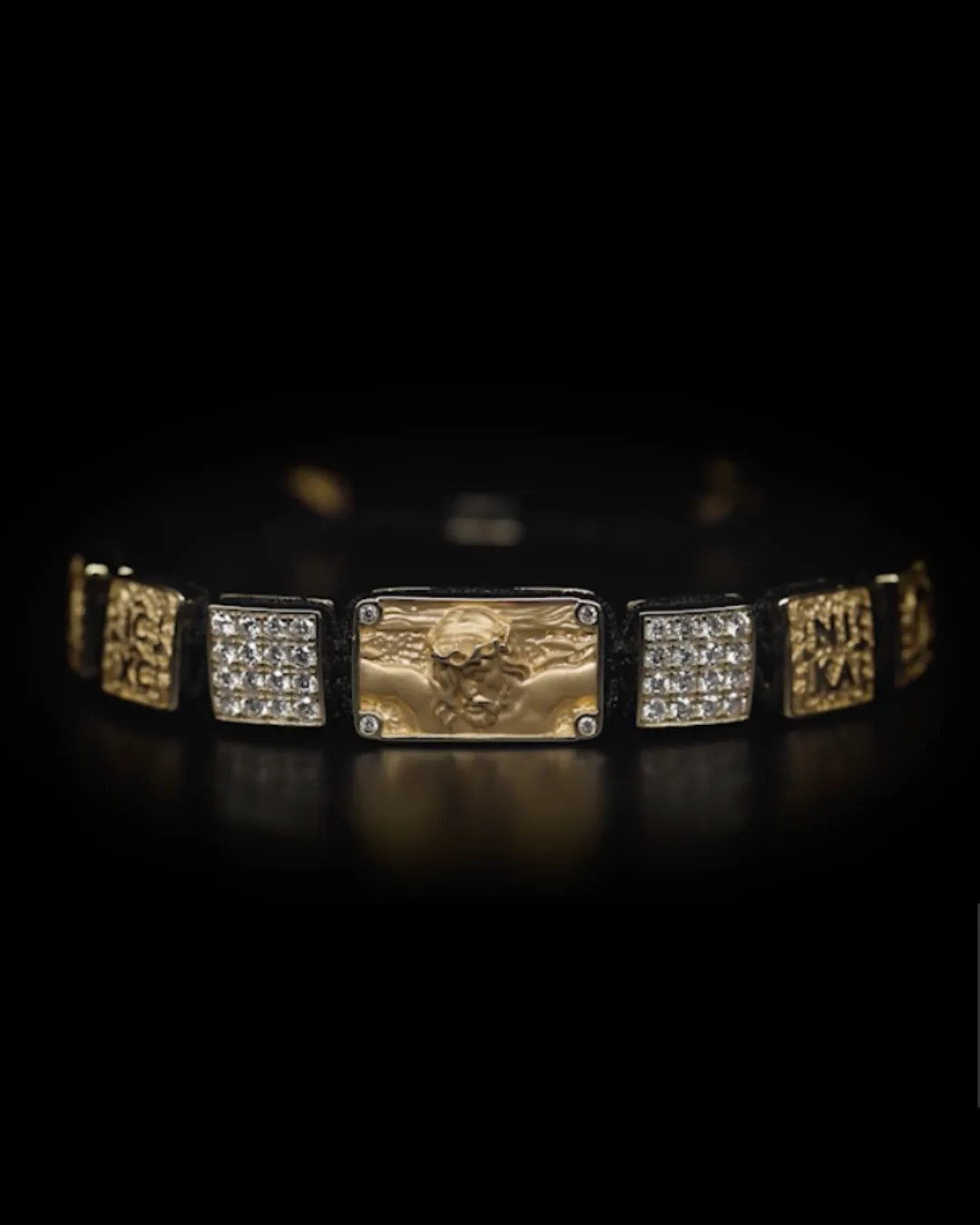
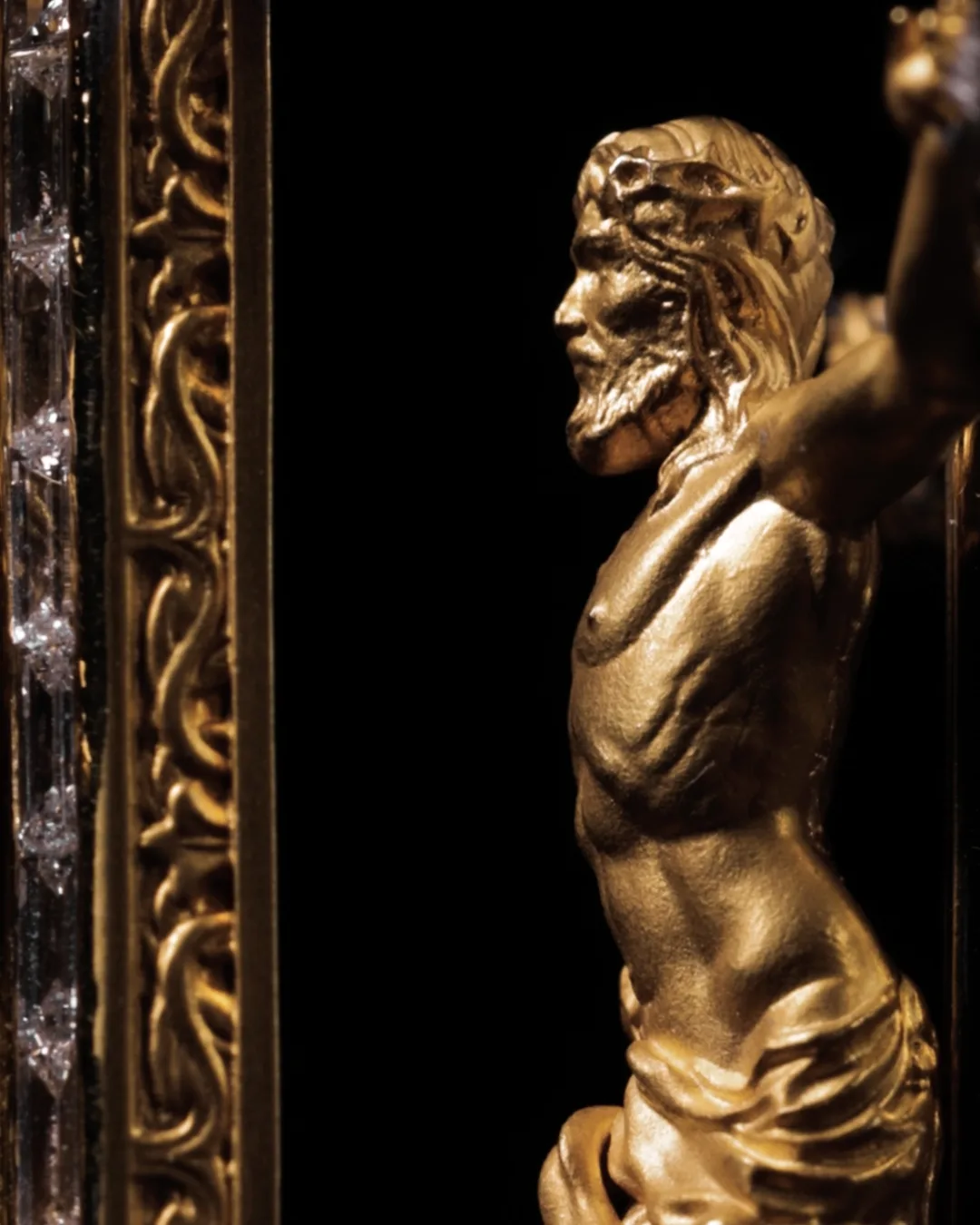
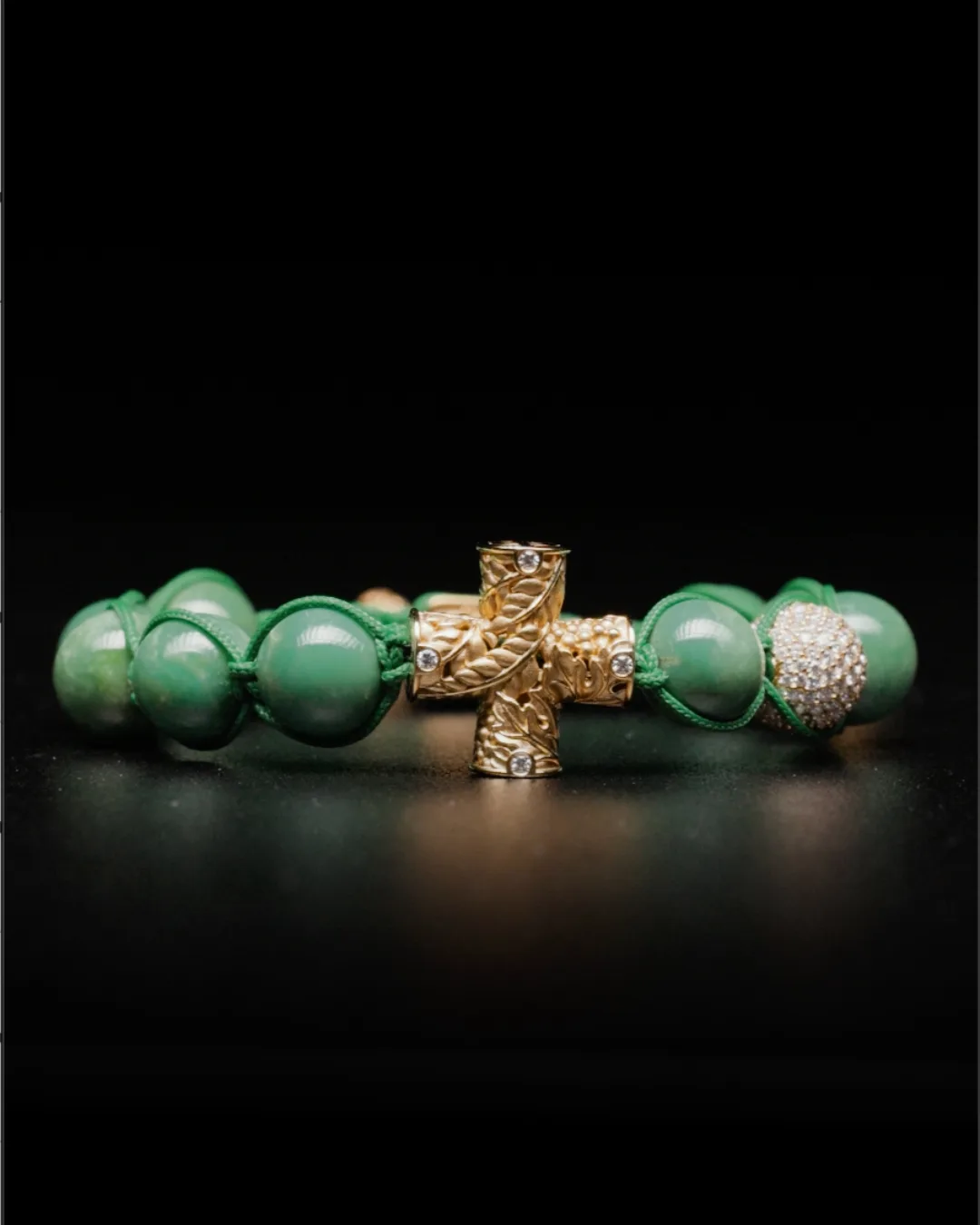
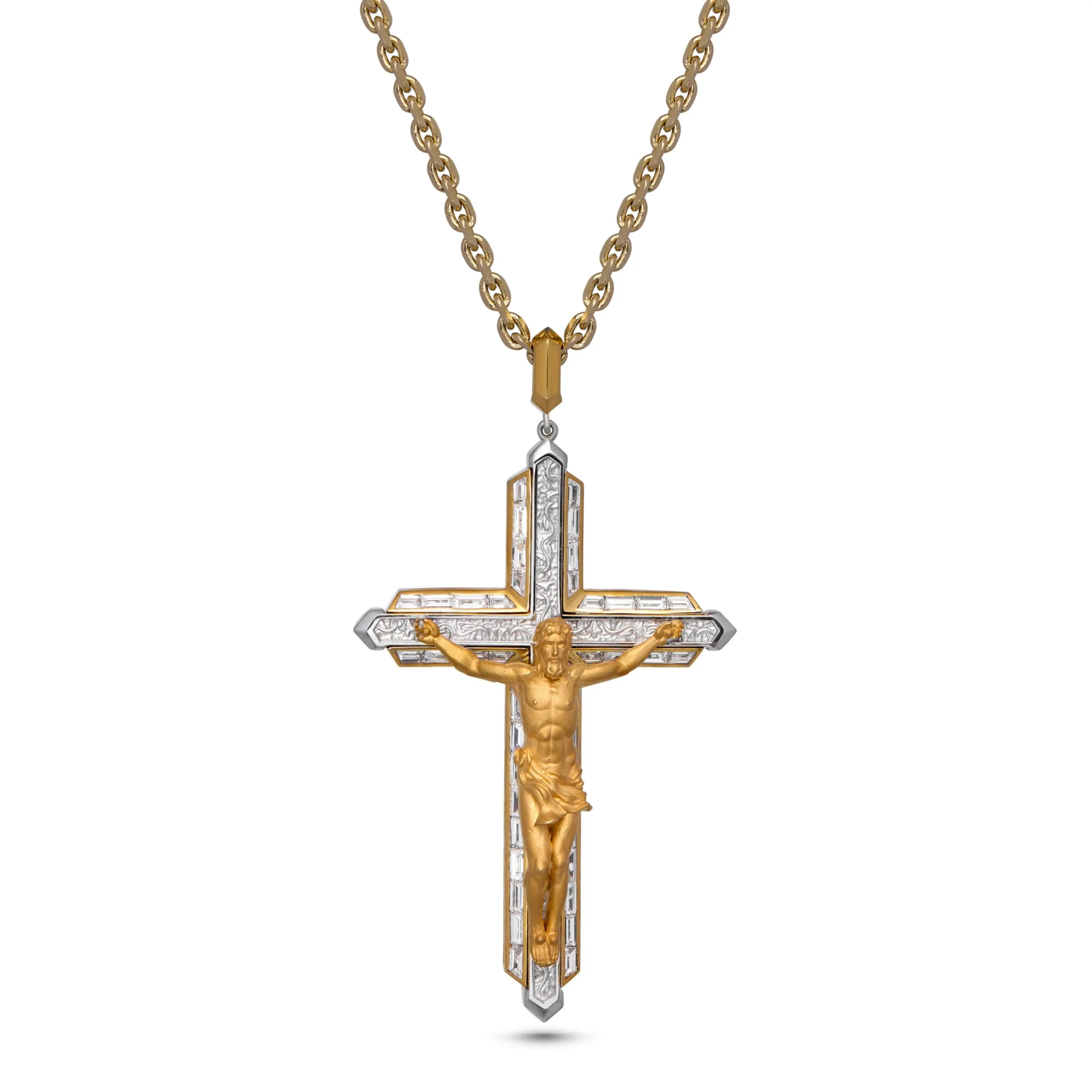
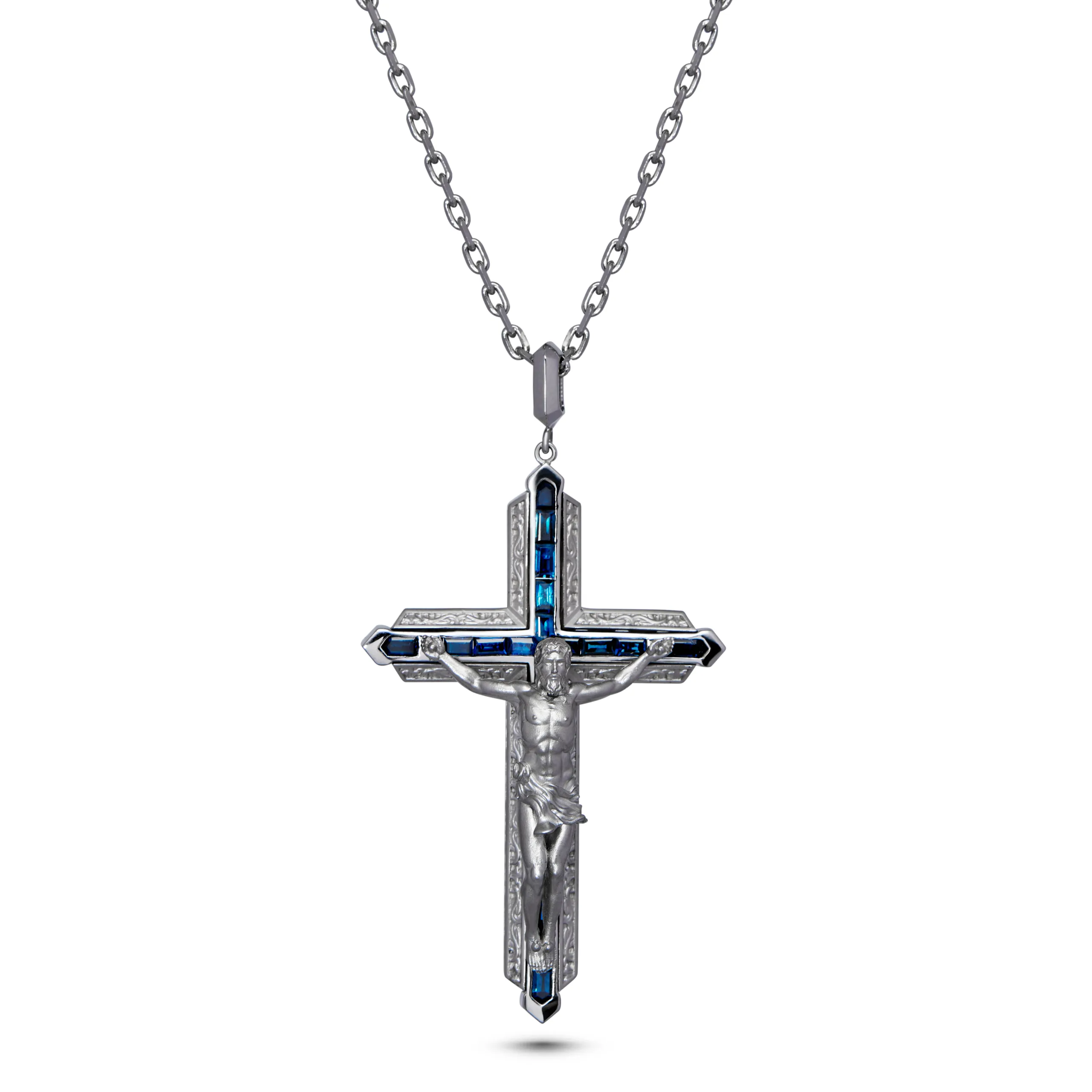
ANAZΩ is a house of sacred art and high jewelry. Each creation is a symbol of faith and spiritual strength, blessed in the monasteries of Mount Athos and crafted in 18K gold and precious stones
Discover symbolic creations inspired by Christian tradition — crosses, bracelets, and pendants, all handcrafted with exceptional attention to detail. Every piece carries its own blessing and the mark of authenticity of ANAZΩ.
Each jewel comes with a certificate of authenticity and blessing from Mount Athos. Every purchase is handled with absolute security and confidentiality. ANAZΩ is committed to trust, transparency, and respect for every customer.
A collection of precious talismans, blessed in the Greek Monasteries of Mount Athos.
A collection of precious talismans, blessed in the Greek Monasteries of Mount Athos.