Your cart is currently empty!
Checkout is not available whilst your cart is empty—please take a look through our store and come back when you're ready to place an order.

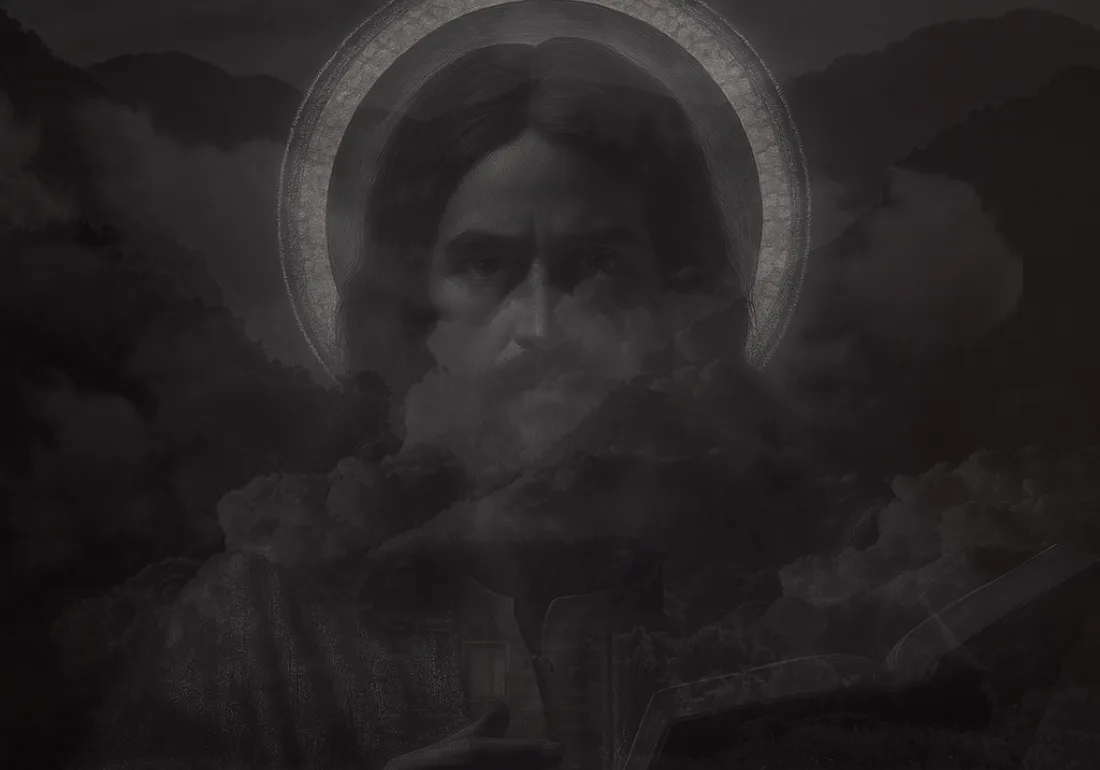
The image of Christ Pantocrator is one of the most significant and recognizable representations of the Orthodox Christian faith. The term “Pantocrator” derives from the Greek words pan (all) and krateo (to rule or hold), meaning “the One who rules over all things.” Through this theological concept, Christ is depicted as the absolute Sovereign of the universe, the Creator, the Judge, and the Savior of the world.
The icon of Pantocrator is far more than a religious work of art. It represents the divine presence, eternal wisdom, and the power of God embracing all humanity. For centuries, this sacred image has occupied a central place in churches, monasteries, and the personal prayers of believers.
The earliest depictions of Jesus Christ Pantocrator appeared during the first centuries of Christianity, although this specific iconographic form became firmly established during the Byzantine era.
Following the recognition of Christianity as the official religion of the Roman Empire, artists sought to portray Christ not only as a teacher but also as the King of Glory. Thus, the image of Pantocrator emerged, combining divine authority with compassion and mercy.
One of the oldest and most significant examples is preserved at Saint Catherine’s Monastery in Sinai, where the renowned 6th-century icon of Christ Pantocrator survives. This masterpiece of early Byzantine art became a model for countless later depictions.
The Symbolism of the Pantocrator Icon
The icon of Pantocrator is rich in symbolism, revealing profound spiritual truths.
The gaze of Pantocrator is perhaps the most distinctive element of the icon. His eyes look directly at the faithful, creating a sense of personal communion.
This gaze symbolizes:
Believers feel as though they stand before Christ Himself, who knows their thoughts, struggles, and prayers.
In most depictions, Christ holds the Holy Gospel in His left hand.
The Gospel symbolizes:
The book is often shown open, displaying passages concerning love, repentance, and salvation.
Christ’s right hand is raised in a gesture of blessing.
This gesture symbolizes:
The fingers are traditionally arranged to form the initials of Jesus Christ according to Byzantine iconographic tradition.
The golden background surrounding Pantocrator is not merely decorative.
It symbolizes:
Through this golden backdrop, the icon transports the believer from the earthly realm into divine reality.
In Byzantine architecture, the image of Pantocrator is almost always placed in the central dome of the church.
This position is deeply symbolic.
Pantocrator reigns from the highest point of the church, reminding believers that Christ is the Ruler of the universe and the Head of the Church. From this elevated position, He symbolically embraces all creation and lovingly watches over His people.
As worshippers lift their eyes toward the dome, they are invited to direct their hearts toward heaven and seek the divine presence.
The image of Christ Pantocrator holds a special place within the spiritual tradition of Mount Athos.
Throughout the Holy Monasteries of the Athonite State, the icon of Christ Pantocrator serves as a central focus of monastic life. Monks pray before His image daily, seeking enlightenment, strength, and spiritual guidance.
Athonite iconography has produced some of the most profound and inspiring depictions of Pantocrator, distinguished by deep spirituality, reverence, and theological precision.
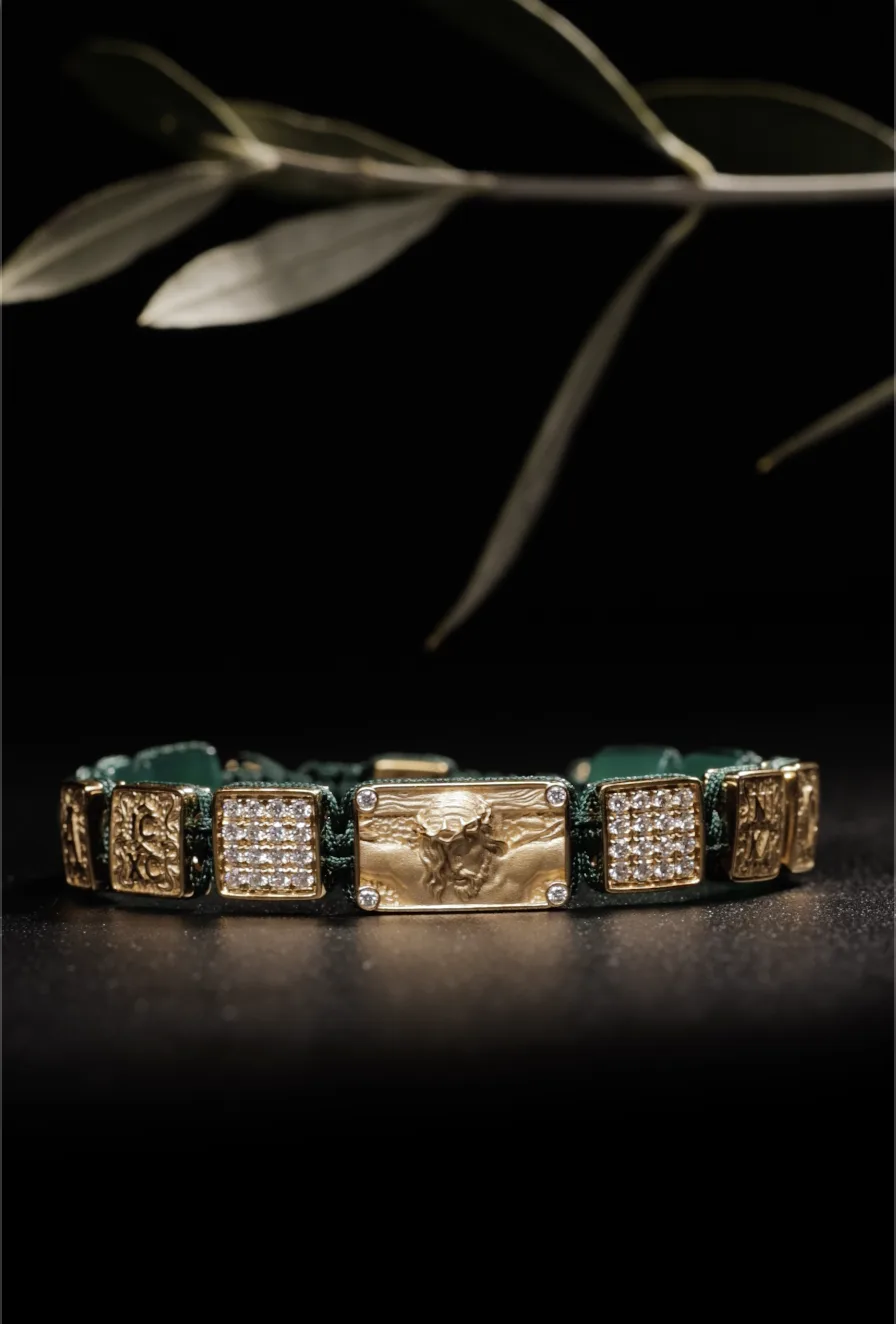
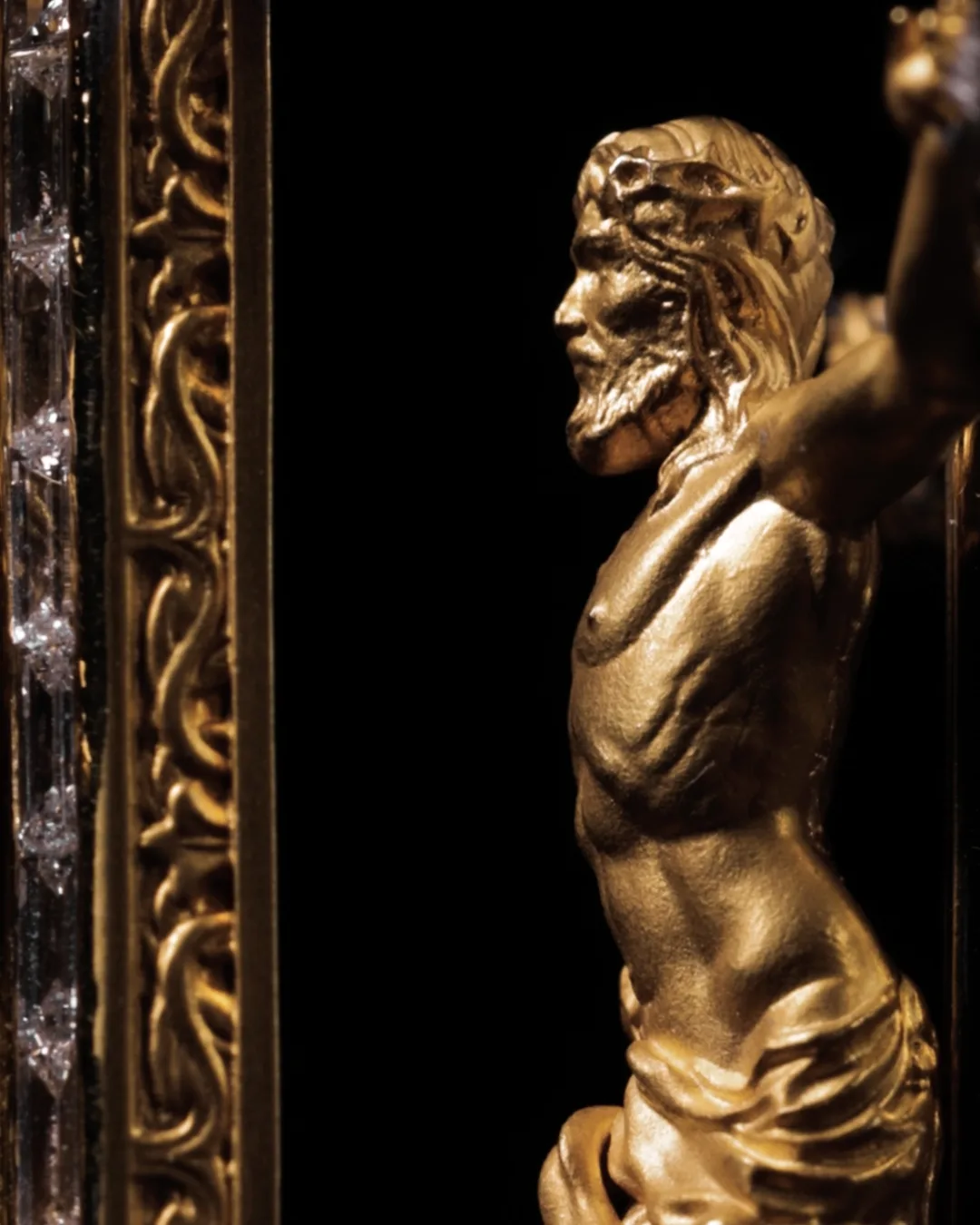
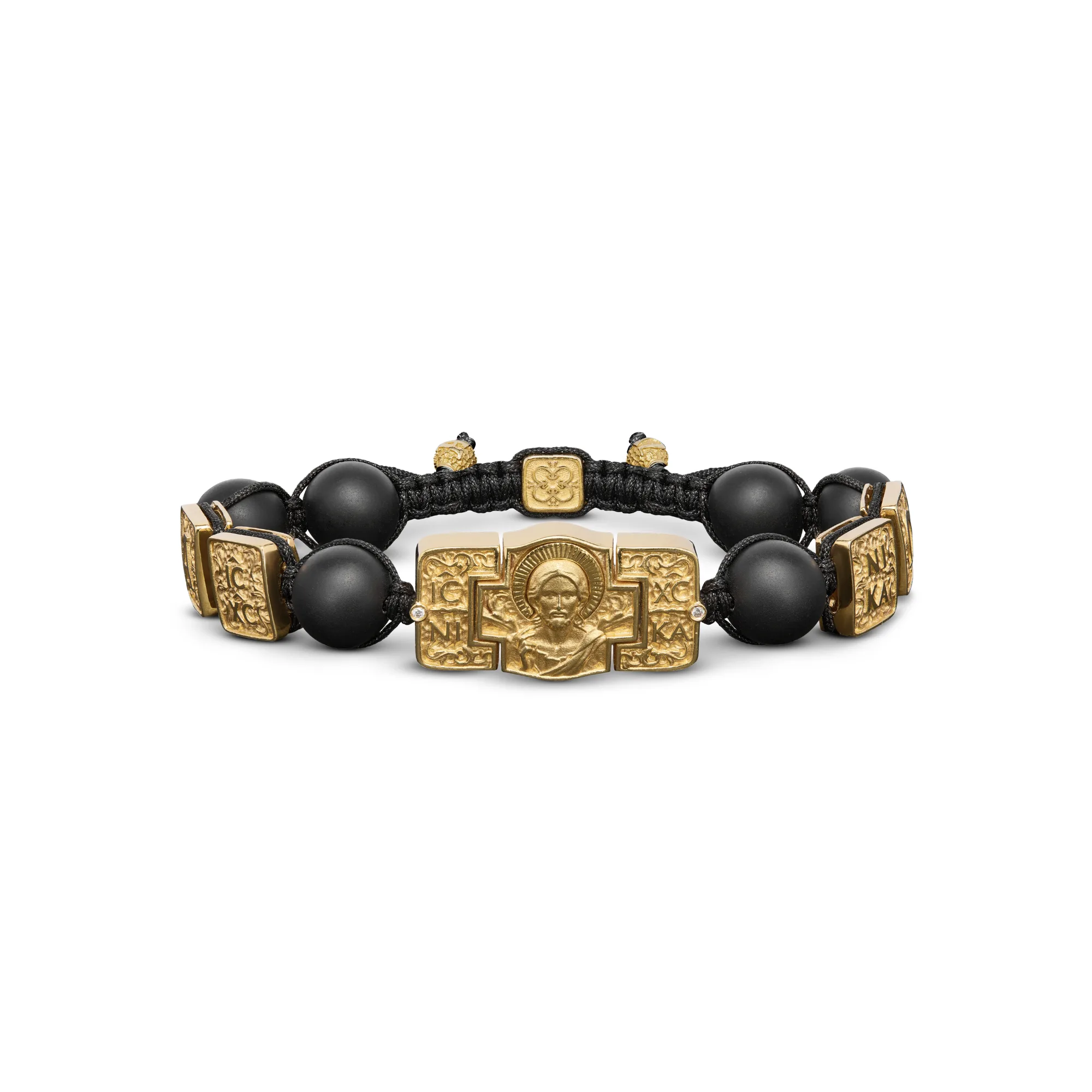
The image of Pantocrator has profoundly influenced not only ecclesiastical art but also contemporary Christian jewelry.
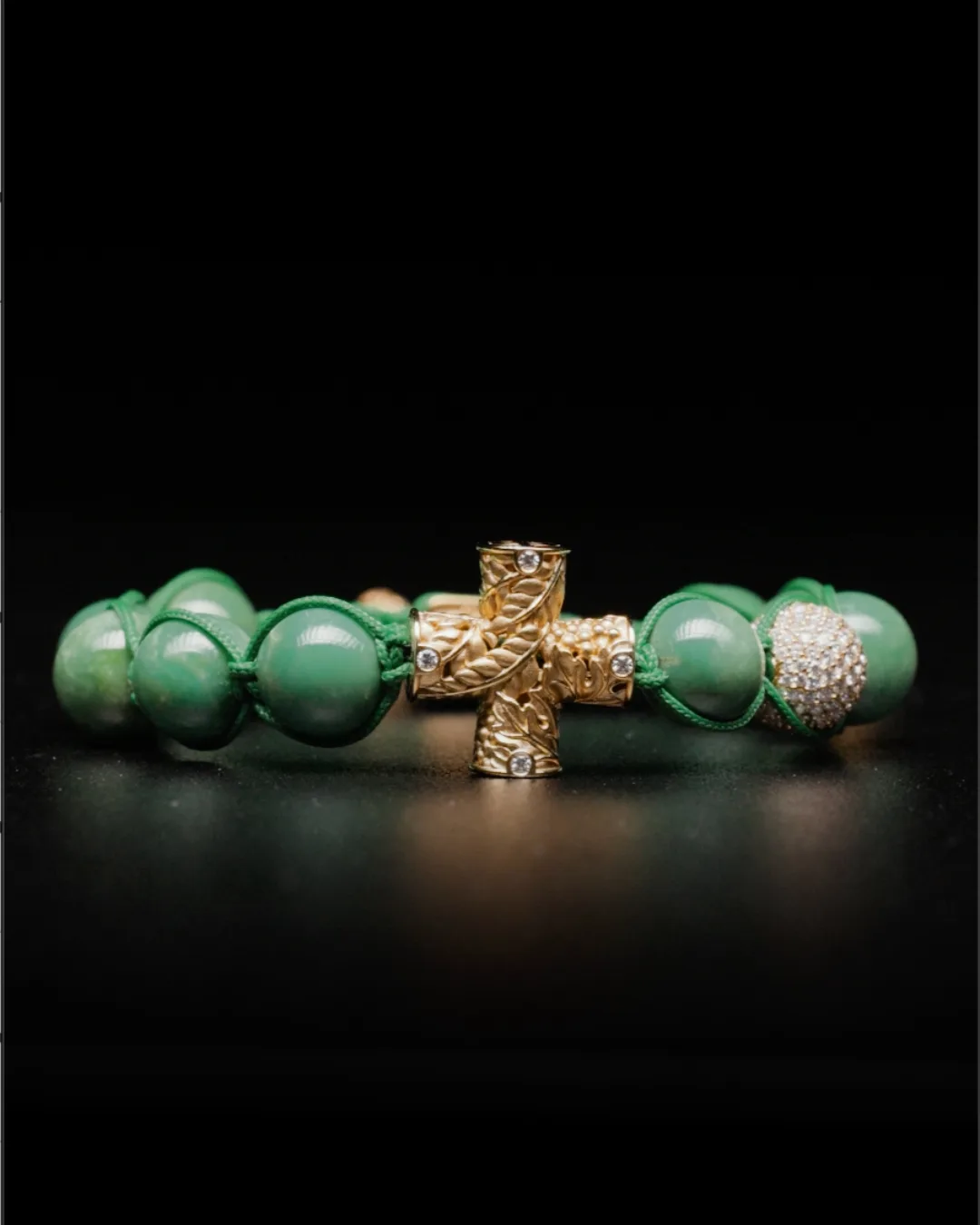
Gold and silver pendants, crosses, medallions, and bracelets bearing the image of Christ Pantocrator are timeless symbols of faith. They are not viewed merely as jewelry but as personal expressions of spirituality and devotion.
Choosing a devotional piece depicting Pantocrator often reflects a desire to keep close a symbol of protection, strength, and hope.
Christ Pantocrator is one of the most powerful and enduring symbols of the Orthodox tradition. His image harmoniously unites divine justice with infinite love, power with mercy, and royal authority with sacrificial compassion.
For more than fifteen centuries, millions of believers have turned their eyes toward Pantocrator in search of comfort, guidance, and spiritual strength. His enduring presence in churches, icons, and Christian devotional objects bears witness to the profound impact He continues to have on the hearts and souls of people.
Pantocrator is not merely an iconographic representation. He is the living reminder that Christ remains the eternal Ruler of the universe, the Light of the faithful, and the unceasing source of hope, love, and salvation for all humanity.
The term “Pantocrator” comes from the Greek words meaning “All-Powerful” or “Ruler of All.” In Orthodox Christianity, it refers to Jesus Christ as the Almighty Lord who governs and sustains the entire universe.
The Gospel Book represents the Word of God, divine wisdom, truth, and the message of salvation that Christ brought to humanity.
The blessing gesture symbolizes divine grace, protection, forgiveness, and Christ’s enduring presence in the lives of believers.
The Pantocrator icon portrays Christ as the Almighty King, Judge, and Ruler of the universe, while other depictions often focus on specific moments of His earthly life, teachings, or Passion.
Many Christians wear pendants, crosses, or bracelets featuring Christ Pantocrator as expressions of faith and as reminders of Christ’s protection, guidance, and spiritual presence.
A collection of precious talismans, blessed in the Greek Monasteries of Mount Athos.
A collection of precious talismans, blessed in the Greek Monasteries of Mount Athos.